
chen tai chi
Classes - 2026
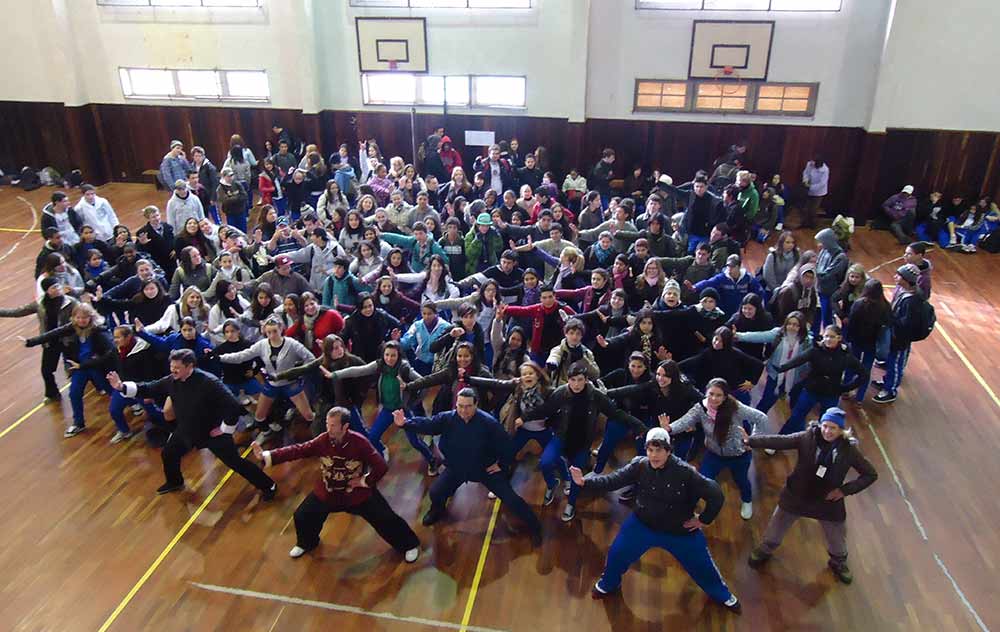
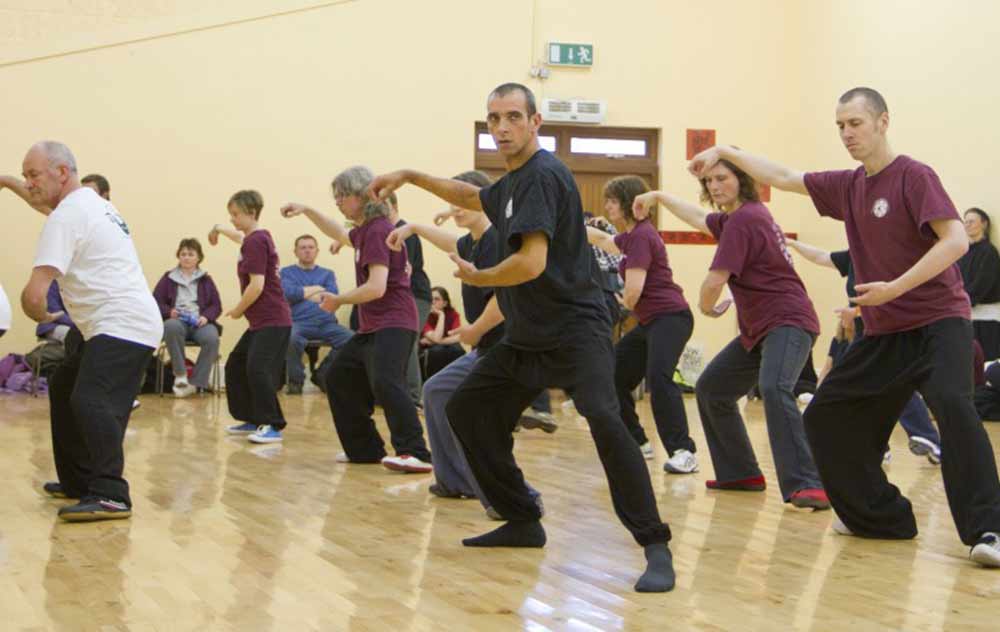
Ireland's leading Tai Chi coach Niall O'Floinn holds Walk-in-Classes & 10 Week Courses in both Galway and Limerick. You can sign up for either evening or morning classes on our booking page in the respective locations.
Galway: New Courses start 1st & 2nd September 2026.
- Free Talk: Tues 1st September 2026 @ 6:00pm in Rowing Club
Limerick: New Courses start 10th September 2026.
- Free Talk: Thurs 3rd September 2026 @ 6:00pm in St. Johns Pavillion.
Single Classes: Come along and try a class.
Tai Chi is ...
Energy is everything
Welcome to Chen Tai Chi Ireland. Find out about weekly classes, Master Seminars, demos, free talks, training tips and health advice.
Tai Chi is suitable for all ages and fitness levels. We hope you enjoy our Tai Chi website and avail of top tips from Ireland’s leading Tai Chi coach.
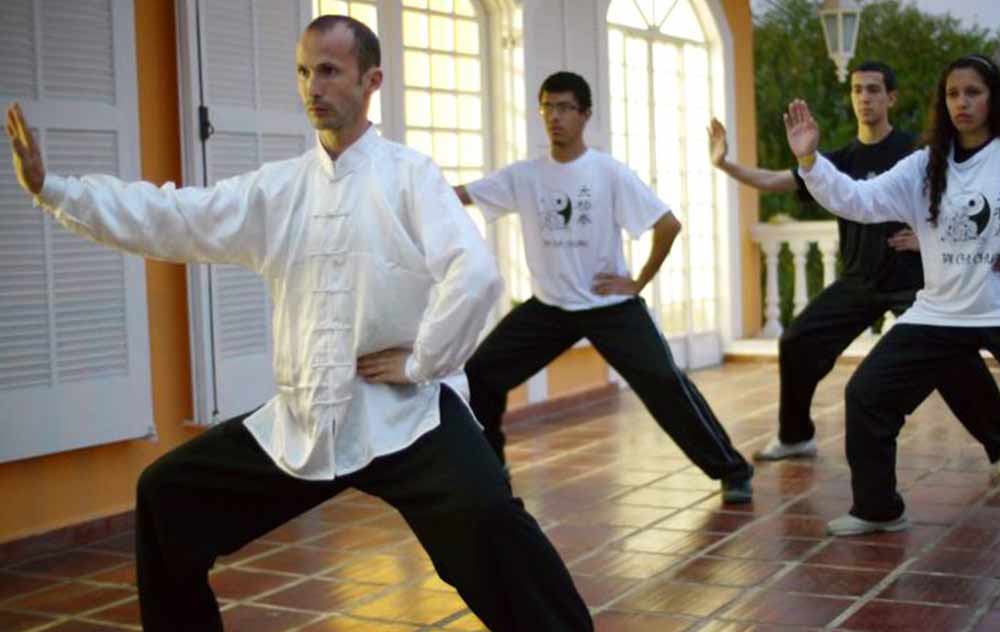
Tai-Chi can be practiced at any age and practiced to a level of intensity that best suits your goals whether they be learning how to relax, using Tai-Chi as an aid to recovering from an injury or illness, developing improved flexibility and fitness, or practicing more intensely to a higher level of qi flow and gong fu skills over a longer period of training.

What is
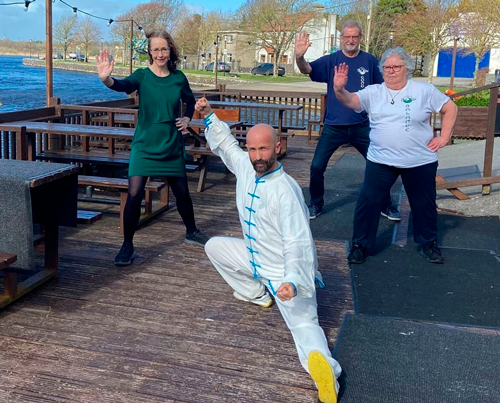
Tai Chi?Tai chi is often described as "meditation in motion," but it might well be called "medication in motion."
There is growing evidence that this mind-body practice, which originated in China as a martial art, has value in treating or preventing many health problems. And you can get started even if you aren't in top shape or the best of health.

World Champion Tuition

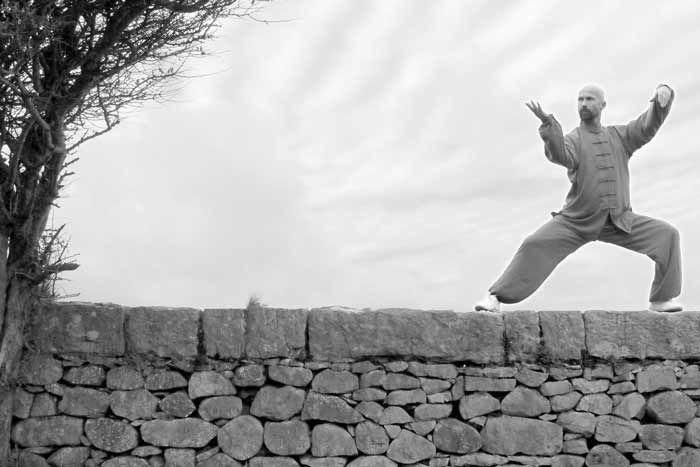
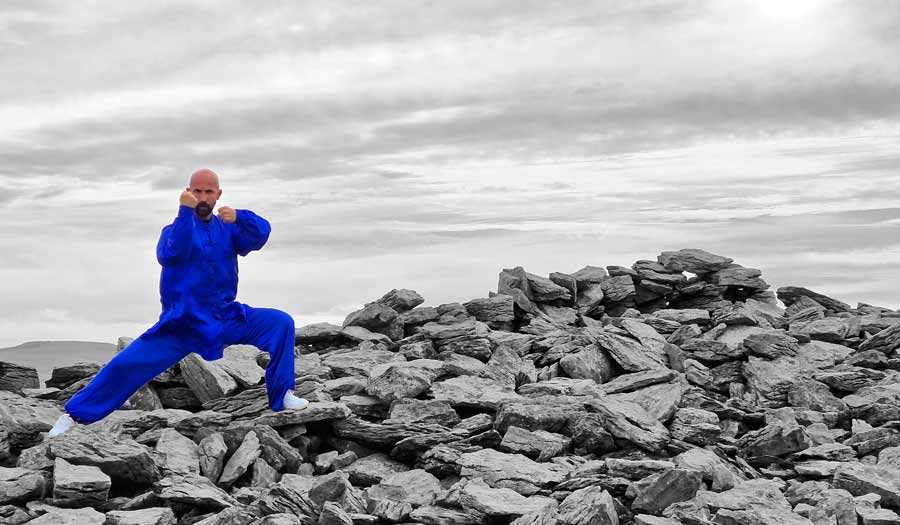
Niall O'Floinn
Head of Chen Tai Chi Ireland.
Shifu O’Floinn began external martial arts at age 10 and was introduced to Tai Chi from his Shaolin Kung Fu teacher in 1993. During a 9 year period, he investigated the internal martial arts with many renowned teachers until finally settling upon the full time study of Chen Style Tai Chi, the oldest form of Tai Chi.
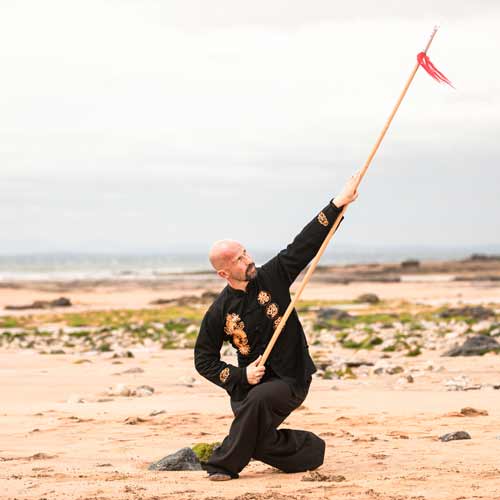
- Niall O'Floinn
Director of Studies of the Galway Tai Chi Academy & Coach of the first Irish medal winning team in the world championships in China.
Shifu O’Floinn began external martial arts at age 10 and was introduced to Tai Chi from his Shaolin Kung Fu teacher in 1993. During a 9 year period, he investigated the internal martial arts with many renowned teachers until finally settling upon the full time study of Chen Style Tai Chi, the oldest form of Tai Chi.
Since April 2002, he has been a student of one of China’s highest level coaches, Grandmaster Wang Hai Jun, who himself has won over 30 gold medals and taught the most number of national Tai Chi champions in China.
Shifu O’Floinn set up Ireland’s largest Chen Tai Chi Academy in 1996, where as well as teaching weekly classes to the public, he has trained many people to become teachers who now run clubs all over Ireland, different parts of Europe and South America.

Wang Hai Jun
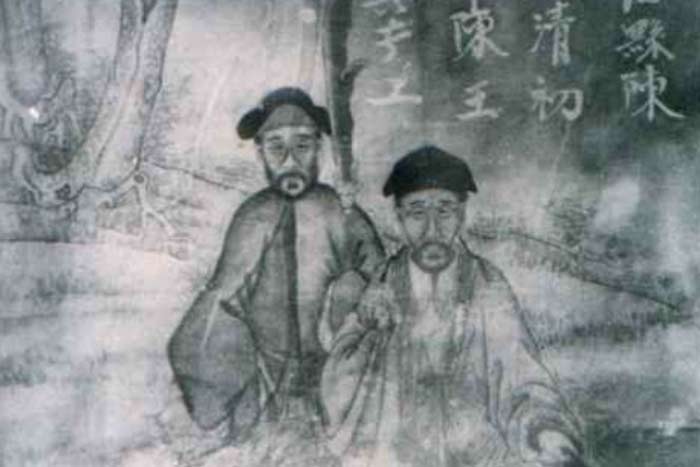
12th Generation Chen Master
He is now recognized as an official lineage holder of Chen Style taijiquan 12th generation Chen Master. He has an extensive list of accomplishments in competitions. Between 1988 to 1991, he won 15 gold medals in the form, push hands and sword categories at all styles martial arts competitions in Henan.
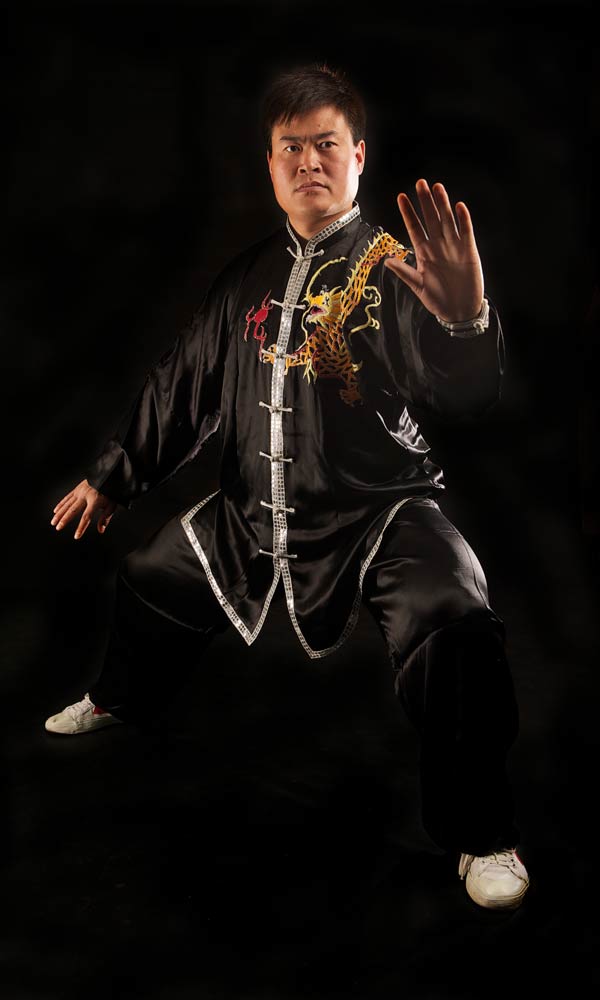
- Wang Hai Jun
Grandmaster Wang Hai Jun was born on 10th January 1972 in Zhengzhou, Henan province, China. At an early age, he decided that his life’s goal was to study martial arts. Fortunately for him, circumstances were at that time ripe to make this feasible.
Due to his then geographical location as a resident in Zhengzhou, and due to the fact that his father was the best friend of Grand master Chen Zheng Lei, it was feasible for arrangements to be made for him to study as a student. So at the age of 9, he was able to commence his studies at his new teacher’s house whilst at the same time undertaking his academic education, attending school in Chenjiagou village. He was the first non-Chen family student in modern times to be traditionally trained in Chen village in Henan. To begin with, he was taught in the traditional way, learning lao jia yi lu, Old Frame, First Part. At that time, Chan si jing, Silk Reeling Energy wasn’t taught as a separate skill, but was incorporated into the forms sets.
Due to his diligence in practicing for many hours every day, he was able to make significant progress. Grand master Chen Zheng Lei provided personal guidance and made the most subtle and nuanced adjustments to his posture, and slowly but surely passed on his vast wealth of knowledge and skill. His initial practice routines concentrated on improving his posture, without any emphasis on the breathing methods and the sinking of his qi.This is known as molding like a statue or Nie Jia Zi, the third stage of the six stages in advancement to the taijiquan Chen style taijiquan mastery.
He initially found some of the practice routines somewhat frustrating. Being young, he considered the method of having to learn slow movements as being counter to his desire to release his energy in an overtly yang fashion; for example by running around. This is natural for all young people. His practice seemed like an interminable routine of repeat sets of the form and at times, he was tempted by the Shaolin martial arts that were taught nearby and that seemed very athletic and energetic. Regardless of the early reservations and impatience that he had, he persevered with his practice. For the first three years of training, he found the practice very hard and his legs were always tired; from the time when he work up in the mornings through to when he retired at night, his muscles constantly ached.
When Japanese students first started to arrived in Zhengzhou, he assisted Grand master Chen Zheng Lei in teaching, traveling throughout China. A breakthrough in his practice occurred when he was seventeen years old and he felt for the first time the harmony of total co-ordination and mind power harmonized with his internal energy. This was a feeling of effortless effort, a relaxed awareness whilst performing the movements. He continued to practice and sometimes this was with the movements performed so slowly that the form would take 2 hours to complete. As the training and dedicated teaching began to bear fruit, his level became so high that, he started to take part in competitions, winning titles at provincial and national competitions.
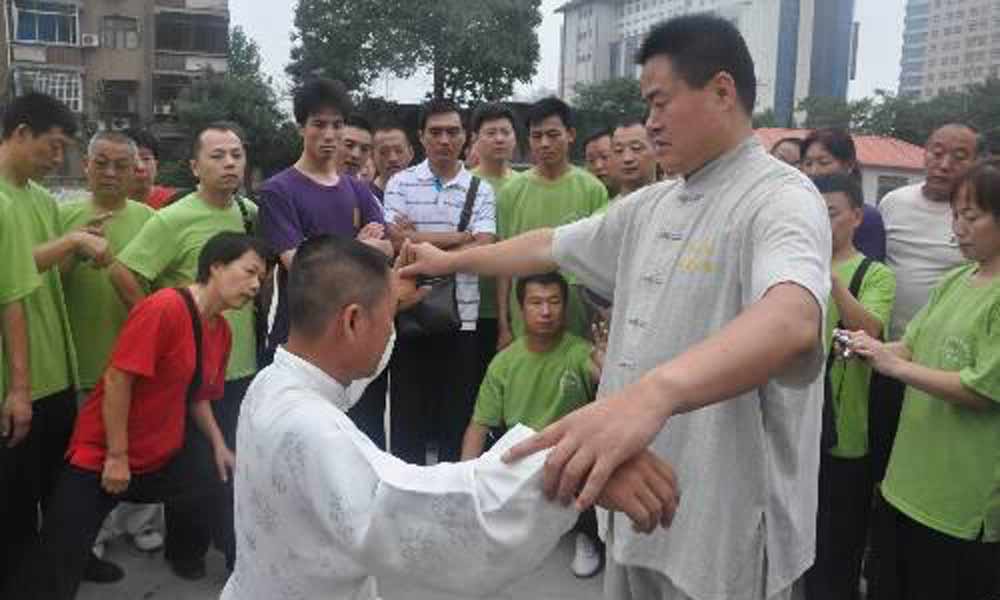
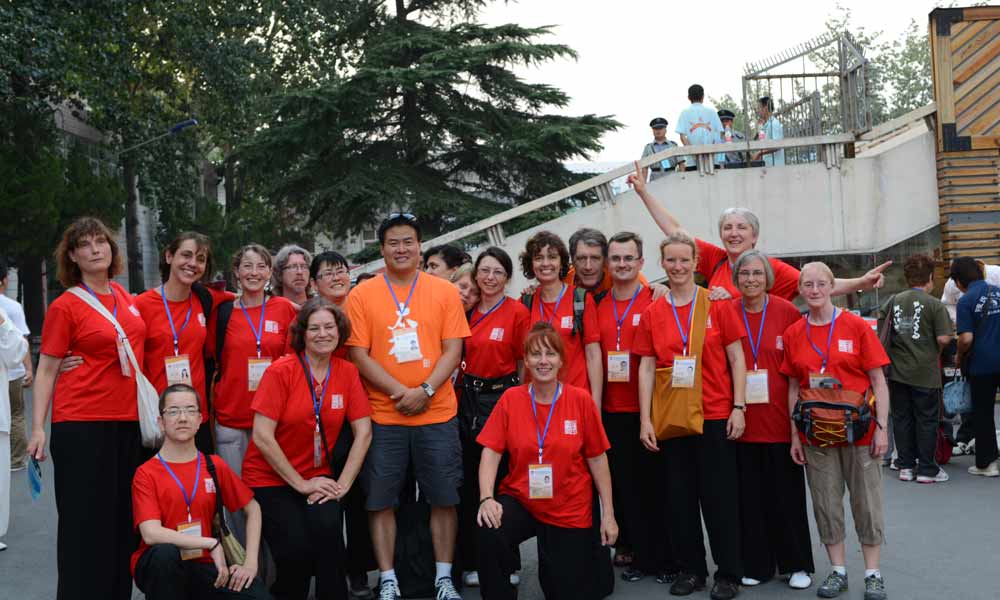

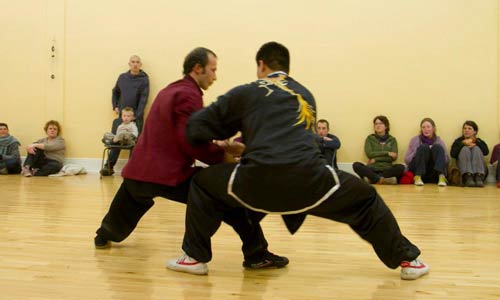


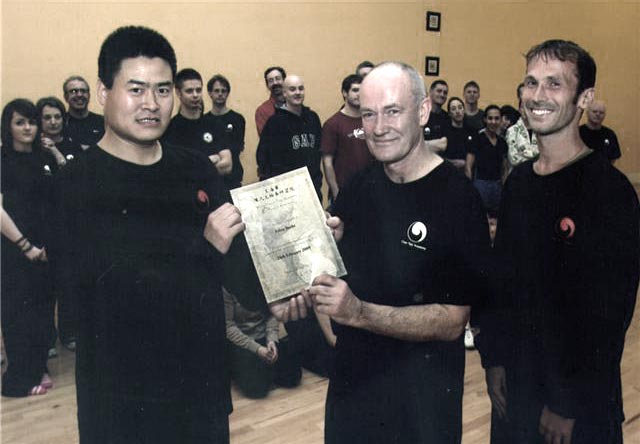
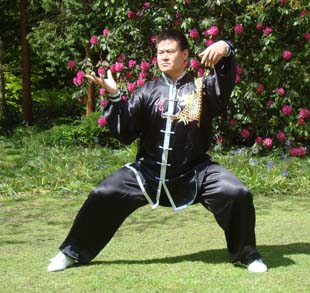
- Chen Master
In the Autumn of 1988, he was accepted into the Wuhan Physical Culture University, one of the top universities of it’s kind in China. He competed successfully for his university in many competitions. After graduation, he was assigned to the post of coach of Ping ding shan at Wushu Research and Study College, near Zhengzhou in Henan province. He was appointed as a senior state Wushu referee, the president and head coach of Zhengzhou Wushu Research and Study College, and coach of Henan Chen Zhenglei taijiquan Culture Company Ltd.
He is now recognized as an official lineage holder of Chen Style taijiquan 12th generation Chen Master. He has an extensive list of accomplishments in competitions. Between 1988 to 1991, he won 15 gold medals in the form, push hands and sword categories at all styles martial arts competitions in Henan. In 1992, he won 3 gold medals in the all China National competition, and also the championship gold medal in push-hands at the national taijiquan boxing, sword and push-hands competition. In 1994, he won 2 gold medals in taijiquan boxing and sword at the international Wenxian taijiquan Championships and the 80-kilo championship in push-hands at the National Wushu Championships.
For three consecutive years, 1996, 1997 and 1998, Grand master Wang won gold medals in form, sword and push-hands as well as the all round champion’s gold medal at the all styles martial arts Chinese National Championships-the highest level of competition in China. There are very few taijiquan or martial arts practitioner with his extensive level of skills, pedigree and competition achievements. Since 1990, Grand master Wang has been taking his students to top-level competitions in Henan province and the Chinese National Championships. His expertise as a teacher is demonstrated by the fact that his students have won more than 30 gold medals at these competitions.
Students of his that have won gold medals at the Chinese National Championships include: Fu Nubbin (push hands, 56kg class), Fu Li hue (push hands, 52kg class), Yang Lei (push hands, 65kg class), Zhao Zhuang (push hands, 63kg class), and Shi Sherwin (push hands, 52kg class). In 2001, he was invited by Thomas Hayes to come to Manchester to provide authentic and the highest level of Chen style taijiquan teaching. He now teaches throughout the UK, Ireland, Spain, France, Bulgaria, Poland, USA, Australia, Polynesia, China, Hong Kong and Japan.
He is the main coach who assists Grand master Chen Zheng at his intensive training camps in Los Angeles and in China and he also helps train the most senior students and disciples of his teacher who, to date has taught over 100,000 people Chen style Taijiquan worldwide. To get an opportunity to train with Grand master Wang is precious and an experience one will never forget!

our classes
Find out more about our classes or exactly where your nearest Chen Tai Chi class is located.
our classes
Find out more about our classes or exactly where your nearest Chen Tai Chi class is located.
Testimonials
Chen Tai Chi
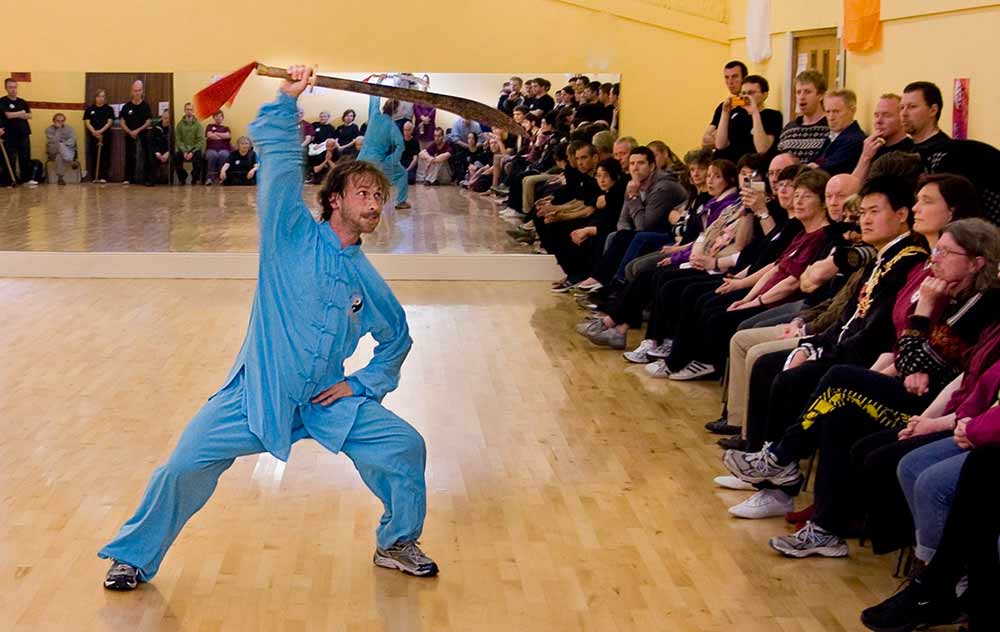






Shifu
"Niall O’Floinn is a masterful Tai-Chi teacher. He guides his students with subtle grace through the intricacies of this beautiful practice." Dr. Michael Hogan (Psychologist & Author of 'The culture of our thinking in relation to spirituality'
Address
Galway Rowing Club,
10 Waterside,
Woodquay,
Galway,
Co. Galway.
Email Us
Phone
089 442 6117